
Introduction
Polycystic Ovary Syndrome (PCOS) affects many women worldwide. It can cause irregular periods, weight gain, and other health issues. Because PCOS is common, knowing preventive tips is important. In this blog, you will learn preventive tips to deal with Polycystic Ovary Syndrome (PCOS). We will also discuss how to prevent PCOS, lifestyle changes for PCOS, and useful PCOS prevention tips. With the right steps, you can lower your risk and improve your well-being.
What is Polycystic Ovary Syndrome (PCOS)?
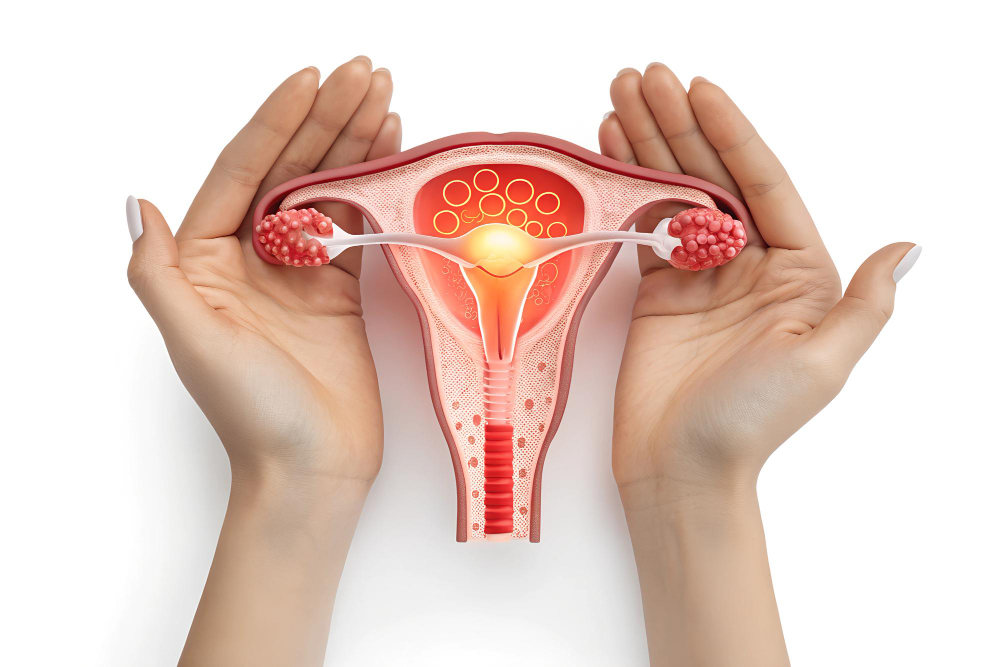
PCOS is a health condition that affects women’s hormone levels. Women with PCOS may have irregular periods, extra hair growth, or trouble getting pregnant. Sometimes, small cysts form on the ovaries. However, not all women with PCOS have cysts. The exact cause of PCOS is not clear. But, factors like family history, high insulin levels, and being overweight can increase the risk. According to the Centers for Disease Control and Prevention (CDC), PCOS is one of the most common causes of female infertility.
Why Prevention Matters
Preventing PCOS or managing its symptoms early can help avoid long-term health problems. For example, PCOS can raise the risk of diabetes, heart disease, and high blood pressure. Early action can also improve your quality of life. Therefore, learning how to prevent PCOS is very important. Even small changes can make a big difference over time.
Key Preventive Tips for PCOS
Maintain a Healthy Weight
Keeping a healthy weight can lower your risk of PCOS. Even a small weight loss can help balance hormones and improve symptoms. For instance, losing just 5% of your body weight can make periods more regular. Here are some tips:
Eat a Balanced Diet
What you eat plays a big role in PCOS prevention. A balanced diet helps control blood sugar and hormone levels. Try these ideas:
Stay Physically Active
Regular exercise helps your body use insulin better and keeps your weight in check. Besides, being active can boost your mood. Aim for at least 30 minutes of moderate activity most days. For example, you can:
Manage Stress Effectively
Stress can affect your hormones and make PCOS symptoms worse. Therefore, finding ways to relax is important. You can try:
Regular Health Check-ups
Seeing your doctor regularly helps catch any problems early. Your doctor can check your weight, blood pressure, and blood sugar. In addition, they can give advice on PCOS prevention tips that fit your needs. Do not skip your yearly check-ups.
Lifestyle Guidance for PCOS Prevention
Making healthy choices every day can lower your risk of PCOS. For example, avoid smoking and limit alcohol. Both can affect your hormones. Also, try to get enough sleep each night. Good sleep helps your body work well. If you live in a city with high pollution, try to stay indoors during peak hours. Clean air can support better health. Remember, small changes add up over time.
When to Seek Medical Advice
If you notice irregular periods, extra hair growth, or trouble losing weight, talk to your doctor. Early advice can help you manage symptoms and prevent complications. Moreover, if you are planning to have a baby, your doctor can guide you on the best steps. Do not wait if you have concerns about your health.
Consult a healthcare specialist for personalized advice on preventing and managing PCOS.
Sources: Centers for Disease Control and Prevention (CDC), World Health Organization (WHO), peer-reviewed medical journals.