
What is PICSI?
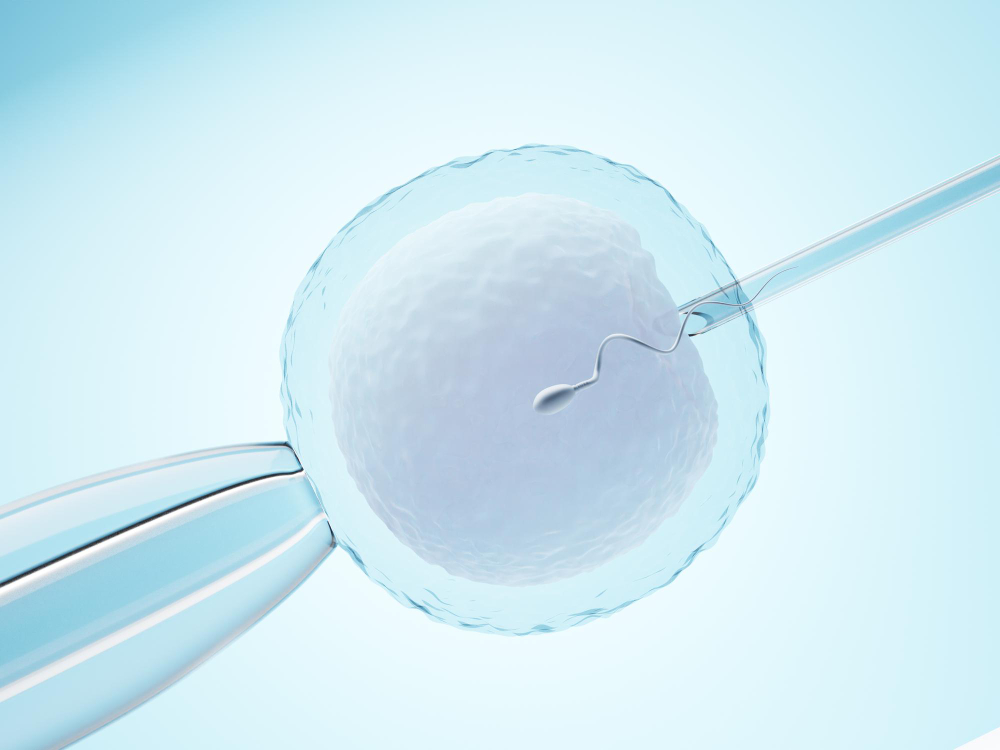
PICSI stands for Physiological Intracytoplasmic Sperm Injection. It is a special fertility treatment. In fact, PICSI helps doctors select the best sperm for use in in vitro fertilization (IVF). Many couples choose PICSI when they face male infertility. Because of its unique process, PICSI can improve the chances of a healthy pregnancy. This method is often compared to ICSI, another common fertility treatment.
How Does the PICSI Procedure Work?
The PICSI procedure is simple and safe. First, doctors collect a sperm sample from the male partner. Next, they place the sperm in a special dish with a natural substance called hyaluronan. This substance is found around eggs in the body. Only mature and healthy sperm can stick to hyaluronan. Then, doctors pick these sperm and inject one into each egg. This careful selection may help improve fertilization rates.
Who Should Consider PICSI?
PICSI is not for everyone. However, some couples may benefit more than others. You might consider PICSI if:
Still, your fertility specialist can help decide if PICSI is right for you.
Benefits of PICSI
PICSI offers several benefits over standard methods. For example, it helps select the healthiest sperm. This may lower the risk of genetic problems. Other benefits include:
Because of these benefits, many clinics now offer PICSI as part of their fertility treatments.
PICSI vs. ICSI: Key Differences
Both PICSI and ICSI help with fertilization. Yet, there are some key differences. In ICSI, doctors pick sperm based on how they look and move. But in PICSI, sperm must also bind to hyaluronan. This extra step helps select more mature sperm. As a result, PICSI may offer better outcomes for some couples. However, not all patients need PICSI. Your doctor can explain which method suits your needs.
Risks and Limitations of PICSI
Like any medical procedure, PICSI has some risks and limits. For instance, it does not guarantee pregnancy. Also, it may not help all couples. Some possible risks include:
Still, serious side effects are rare. Most people tolerate PICSI well.
What to Expect During and After PICSI
During PICSI, you will follow steps similar to IVF or ICSI. First, the woman takes medicine to grow eggs. Next, doctors collect eggs and sperm. Then, they use the PICSI method to select sperm and inject them into eggs. After a few days, doctors check if embryos have formed. Finally, they place one or more embryos in the woman’s uterus. After the procedure, you may need to rest. Your clinic will guide you on next steps and follow-up visits.
Frequently Asked Questions about PICSI
Conclusion and Next Steps
PICSI is a helpful option for some couples facing infertility. It uses a natural way to select the best sperm for IVF. While it offers many benefits, it is not right for everyone. Therefore, consult a fertility specialist to learn if PICSI is right for you.