
What Is a Laparoscopic Hysterectomy?
Laparoscopic hysterectomy is a type of minimally invasive hysterectomy. In this surgery, doctors remove the uterus using small cuts in the belly. Instead of one large cut, several tiny cuts are made. Through these, a thin tube with a camera (laparoscope) and special tools are used. As a result, patients often heal faster and feel less pain. This method is now common in many hospitals.
Why Is Laparoscopic Hysterectomy Performed?
Doctors may suggest a laparoscopic hysterectomy for several reasons. Sometimes, other treatments do not work. In other cases, the uterus causes ongoing problems. Common reasons include:
However, your doctor will decide if this surgery is right for you.
How Is the Procedure Done?
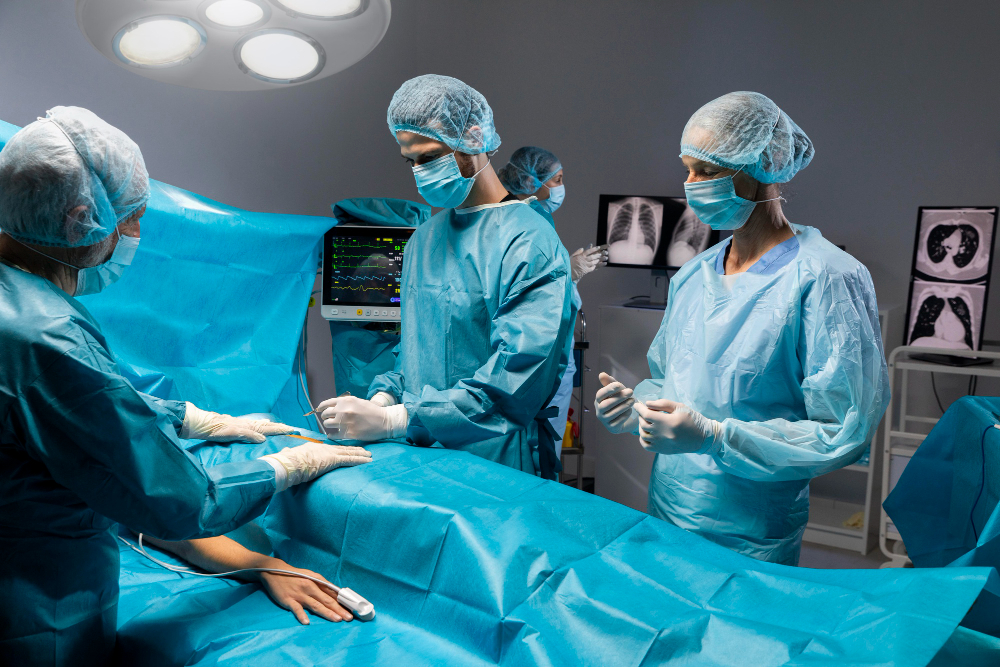
First, you will get general anesthesia, so you sleep during the surgery. Next, the surgeon makes a few small cuts in your belly. Then, a laparoscope is placed through one cut. This tool shows the inside of your belly on a screen. After that, other tools go through the other cuts. The surgeon carefully removes the uterus. Sometimes, the ovaries or fallopian tubes are also removed. Finally, the surgeon closes the cuts with stitches or glue. Most patients go home the same day or the next day.
Benefits of Laparoscopic Hysterectomy
Laparoscopic hysterectomy offers many advantages over open surgery. For example, patients often recover faster. Other benefits include:
Because of these benefits, many women prefer this minimally invasive hysterectomy.
Risks and Possible Complications
Even though laparoscopic hysterectomy is safe, every surgery has risks. It is important to know the possible problems. Some risks of laparoscopic hysterectomy include:
However, serious problems are rare. Your doctor will discuss these risks with you before surgery.
Recovery and Aftercare Tips
Recovery after laparoscopic hysterectomy is usually smooth. Still, you should follow your doctor’s advice for the best results. Here are some helpful tips:
Most women return to normal activities within 2 to 4 weeks. However, everyone heals at their own pace.
Frequently Asked Questions
How long does the surgery take?
Usually, a laparoscopic hysterectomy takes 1 to 3 hours. However, the time may vary based on your health and the reason for surgery.
Will I have a large scar?
No, you will have only small scars. These are usually less than an inch long and fade over time.
When can I return to work?
Most women can return to work within 2 to 4 weeks. However, this depends on your job and how you feel.
Are there any long-term effects?
After a hysterectomy, you will not have periods. If your ovaries are removed, you may enter menopause. Your doctor will explain what to expect.
Is laparoscopic hysterectomy safe?
Yes, it is considered safe for most women. However, as with any surgery, there are risks. Your doctor will discuss these with you.
If you have more questions, talk to your healthcare provider.
Consult a gynecologist for personalized advice about laparoscopic hysterectomy.